
FrameMatte: automatic video background removal
A production video background-removal service built on 4 open-source models (SAM 3, ViTMatte, VideoMatte, MatAnyone2) with complexity-based routing, a pricing calculator, three tiers, and checkout logic across several payment methods.
The problem
Studio-grade video background removal is expensive, and ready-made AI tools are usually sold as a vague subscription — you pay for abstract access to a neural net without understanding what you're actually paying for: minutes of footage, output quality, or processing speed.
There's a second layer of difficulty: scenes of different complexity need different segmentation quality. A portrait on a flat background and difficult hair in a moving shot aren't the same task, and one universal AI tool either overcharges for easy footage or fails on hard footage.
Four models in one production pipeline
FrameMatte doesn't wrap a single neural net in a landing page — it routes each request across four open-source models by scene complexity: SAM 3 does fast rough segmentation, ViTMatte cleans up hair and semi-transparent edges, VideoMatte keeps the mask stable across frames so the cutout doesn't flicker, and MatAnyone2 holds onto the right object through long, motion-heavy scenes.
Every request shows the full path it took: the input file, the chosen model route, the export format, the price, and the turnaround. In the site's own demo example — a 4K interview with difficult hair — that's SAM 3 → ViTMatte, alpha MOV + PNG sequence, $6.75 for 35 minutes.
Pricing tiers, calculator, and checkout logic
Price is built from task type (portrait/product/complex scene), video length, output quality, and urgency — the on-site calculator shows an estimate immediately instead of hiding behind a vague AI subscription. Three tiers cover the path from a one-off test to a white-label partnership: Start ($29/mo, up to 20 minutes a month), Studio ($79/mo, 4K and alpha export, priority queue, 3 team seats), and Agency ($169/mo, API and white-label access, invoice flow, dedicated GPU queue).
Payment is planned around distinct segments: Visa/Mastercard and local methods (Click/Payme/Uzum) for private customers and small jobs, an invoice flow for agencies, and USDT for fast cross-border payments. The checkout form on the demo honestly just prepares an emailed request for now — the site is upfront that it needs to be replaced with real, tokenized processing (Stripe, Paddle, or another PSP) before launch.
Result
Using open models instead of expensive proprietary licenses kept pricing low — from $0.45 per minute for simple footage — and the whole product logic, from model routing to tiers and checkout, was built and tested as an MVP aimed at launching with real billing within 24 hours.
A demo version is publicly available with a working calculator and prepared, but still simulated, payment; wiring in real payment processing is the next step, which is why the product is currently "in progress" rather than in production.
Other cases
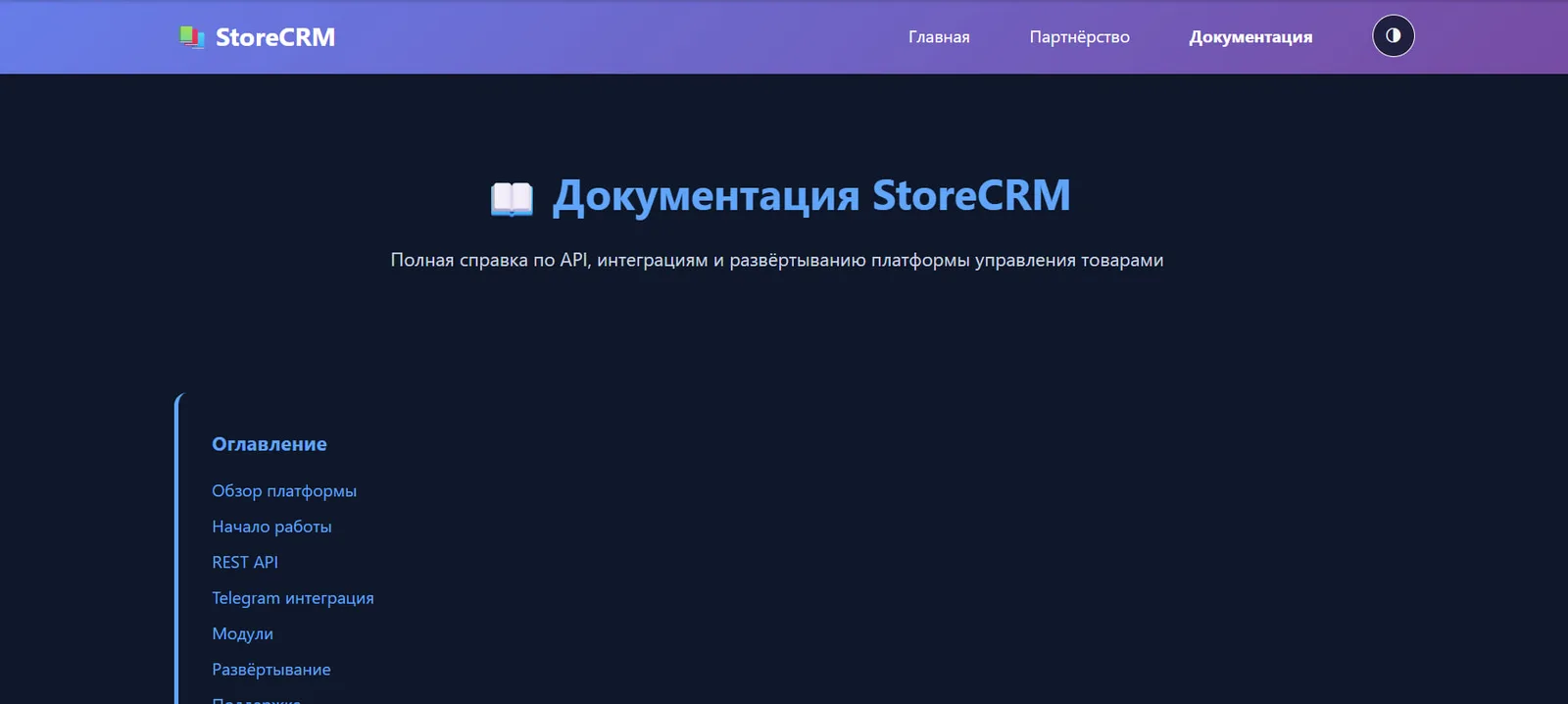
StoreCRM: a Telegram-first platform for product and stock accounting
A Telegram bot, REST API and web admin panel all run on one data core: products, stock across warehouses and stores, and movement between locations and counterparties stay consistent across every channel.
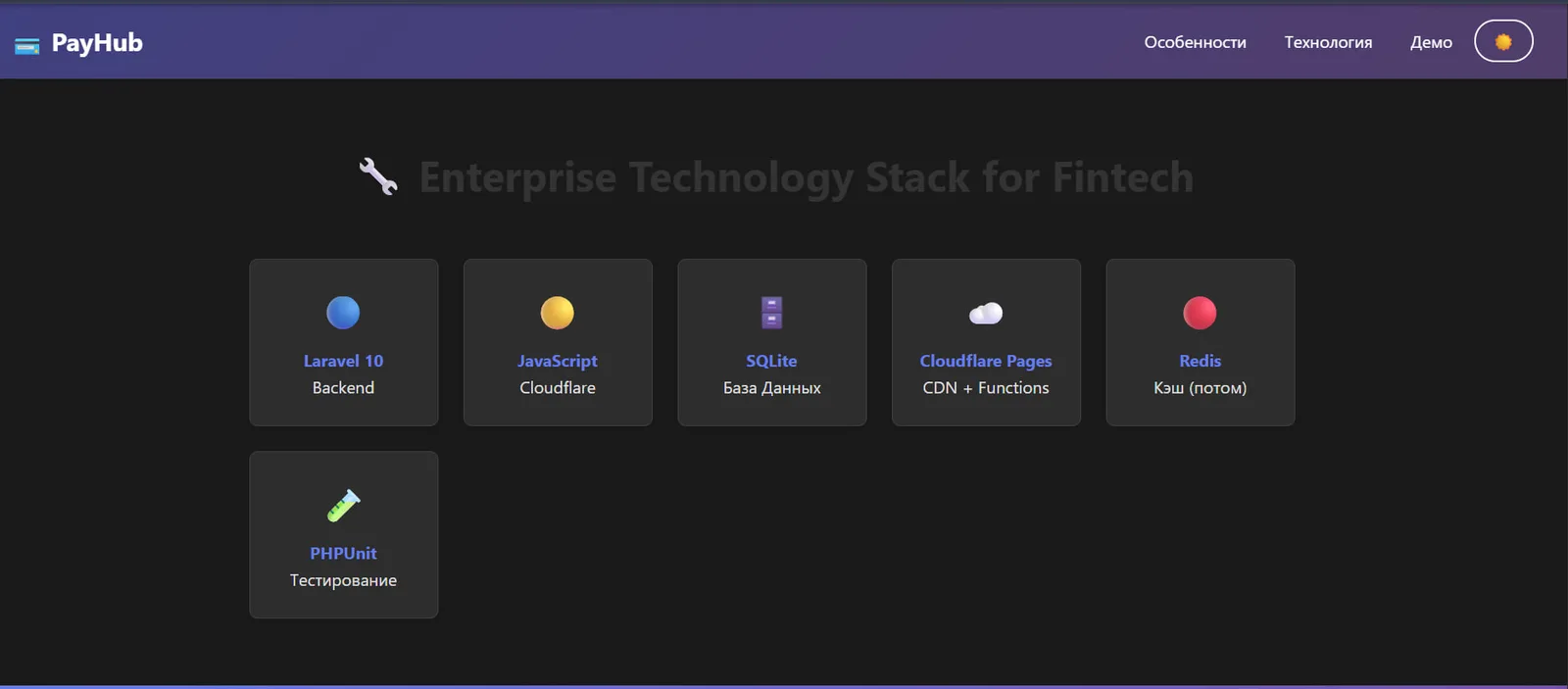
Pay Hub: payment events and notification control
Resilient event handling for payments and notifications cuts manual checks and clarifies failure response.

PayTutor: a tutoring-center CRM from request to certificate
A Telegram bot for students and an admin panel for the center: enrollment, payment, attendance, exams and certificates in one system.
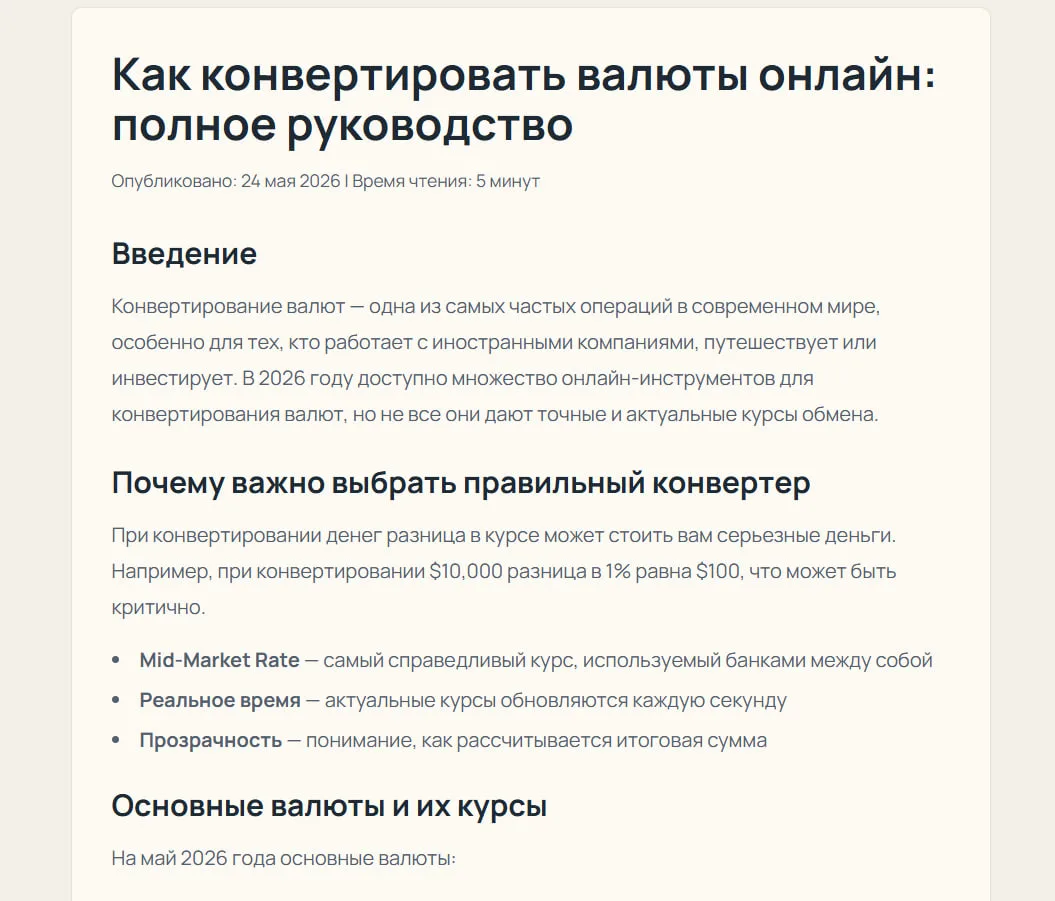
Flex Convert: a currency and unit converter built as a standalone product
A standalone web converter spanning 10 quantity categories — currency with daily rates and a configurable currency list, plus pressure, temperature, length, weight, area, volume, speed, time, and energy — with its own calculator and SEO guides.