
StoreCRM: a Telegram-first platform for product and stock accounting
A Telegram bot, REST API and web admin panel all run on one data core: products, stock across warehouses and stores, and movement between locations and counterparties stay consistent across every channel.
The problem
Tracking products, stock and movement between a warehouse, stores and counterparties in retail and e-commerce is often held together by scattered tools: spreadsheets, Telegram chats and staff memory. As soon as a business has more than one point of sale, or a distributor taking goods on consignment, syncing stock by hand becomes nearly impossible — the numbers in different places drift apart, and no one can say exactly how much stock exists right now or where.
Distributor work adds a separate layer of difficulty: handing goods over on consignment, sales reports and returns of unsold stock are usually done manually, without automatic stock recalculation, which opens a gap between what should be on the shelf and what's actually there.
Three access channels, one data core
StoreCRM doesn't solve this with a separate app for each scenario — it's a modular platform where the Telegram bot, REST API and web admin panel are three different access channels to one data core. The same product, stock figure or movement document is visible and updates the same way no matter which channel touches it.
The Telegram-first approach is deliberate: chat commands (`/add_product`, `/inventory`, `/report`) let staff enter operations faster than opening a browser and filling out an admin-panel form — especially at a warehouse or point of sale, where a phone is usually closer at hand than a work computer.
Modular architecture and open code
The platform is built as separate modules: Identity & Access (users, organizations, roles), Catalog (products, SKUs, prices), Inventory (warehouses, stores, stock, movement documents) and Integration (Telegram, REST API, webhooks) are already implemented and running in Stage 1. CRM (customers, interaction history) and Sales (deals, pipelines) are marked on the roadmap as "planned" — meaning the current version is specifically about product and warehouse accounting, not a full sales-CRM with pipelines.
StoreCRM is an open-source project under the MIT license, called out explicitly in the docs: the code is open, available for self-hosted deployment (including via Docker) and commercial use, not gated behind a demo login.
Working with distributors
A separate platform flow covers handing goods over to distributors and partner stores on consignment: the movement is documented, and sales reports plus returns of unsold stock recalculate inventory automatically, without manually reconciling spreadsheets with each side.
REST API and the tech stack
The backend is written in PHP 8.1+ with MySQL 5.7+ and a lightweight custom bootstrap layer instead of a heavy framework — installation is described in a handful of commands: clone the repo → composer install → run migrations → start the server. For external integrations (1C, marketplaces and similar), there's a REST API v1 with endpoints like `GET /api/v1/products`, `GET /api/v1/inventory`, `POST /api/v1/inventory/movement`, `GET /api/v1/reports`, authenticated with a Bearer token.
StoreCRM's documentation is a dedicated public section of the site with its own table of contents (platform overview, quick start, REST API, Telegram integration, modules, deployment) rather than just a repo README — the project is built to be picked up by an external developer who will integrate or self-host it.
The result
Products, stock and movement between the warehouse, stores and counterparties are brought into one data core with three access channels — Telegram, REST API and a web admin panel. Stock recalculates automatically after every operation instead of being reconciled by hand, and the distributor flow covers consignment handoffs and returns of unsold goods without a gap between the paperwork and the actual count.
Publicly, the project is shown as an open, documented platform — with real API endpoints, bot commands and a deployment guide — rather than a demo of a closed internal panel: that matches StoreCRM being positioned as an open-source, MIT-licensed product rather than a private client tool.
Other cases
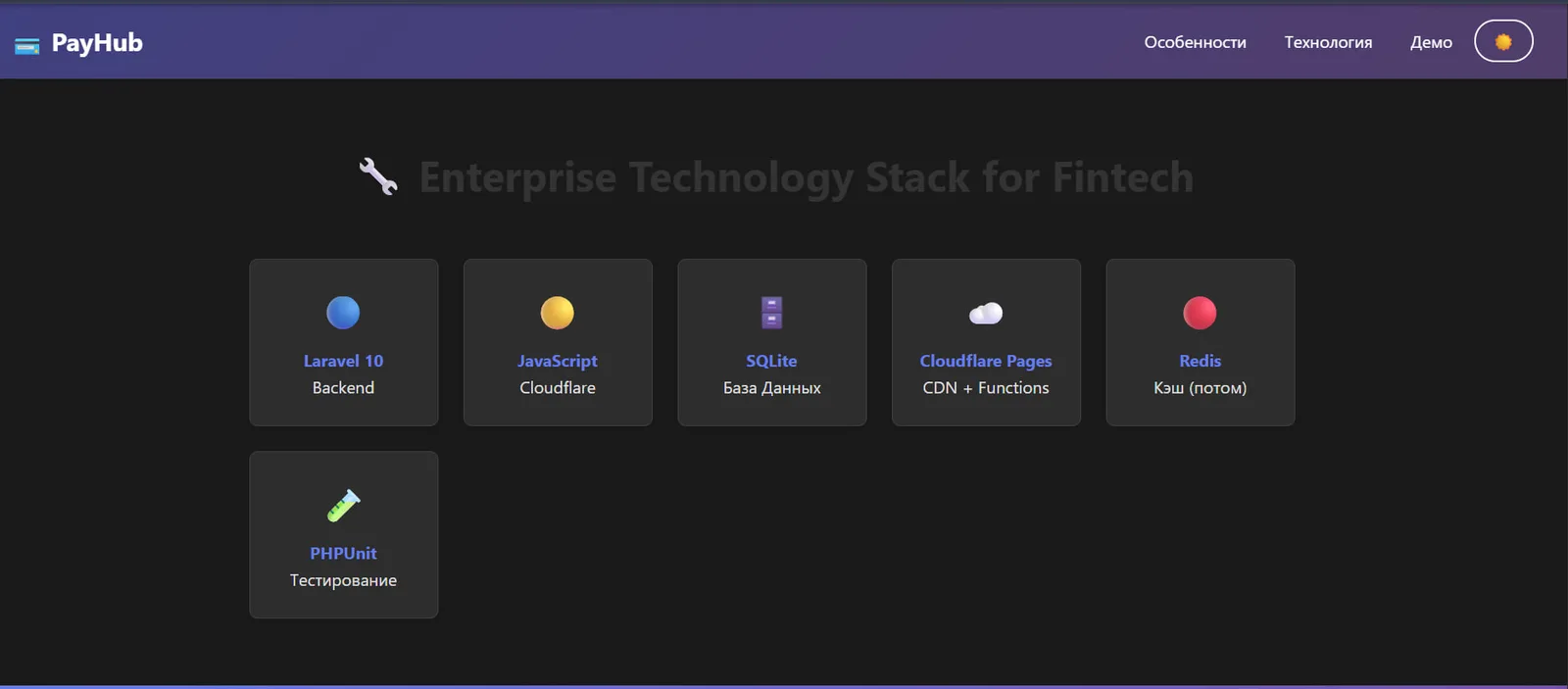
Pay Hub: payment events and notification control
Resilient event handling for payments and notifications cuts manual checks and clarifies failure response.
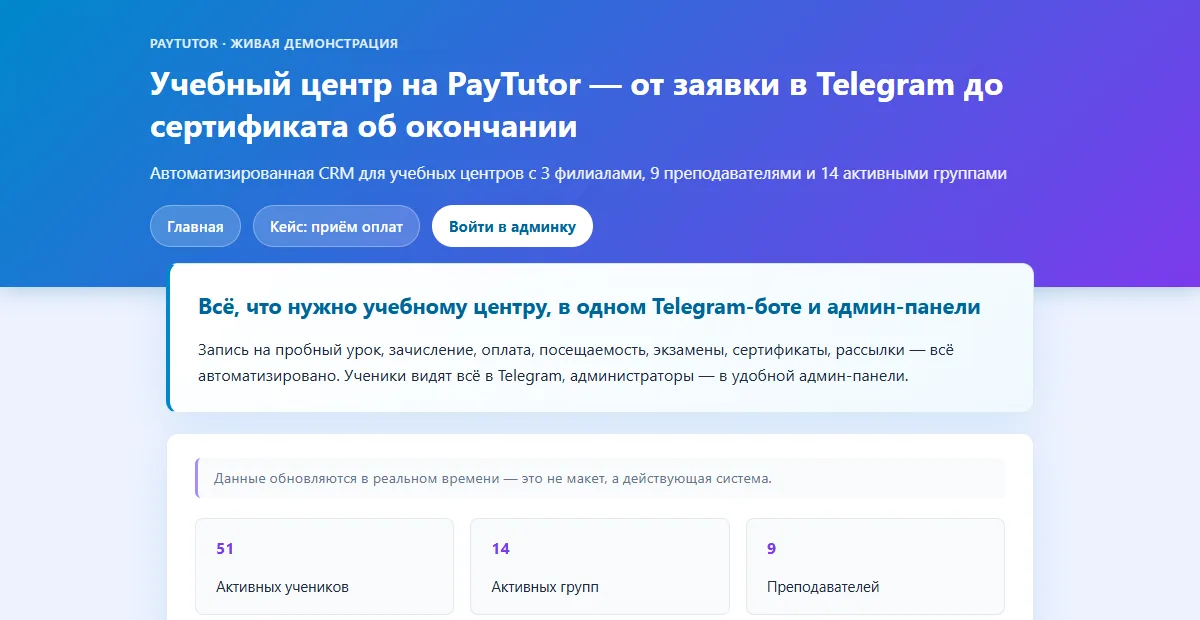
PayTutor: a tutoring-center CRM from request to certificate
A Telegram bot for students and an admin panel for the center: enrollment, payment, attendance, exams and certificates in one system.
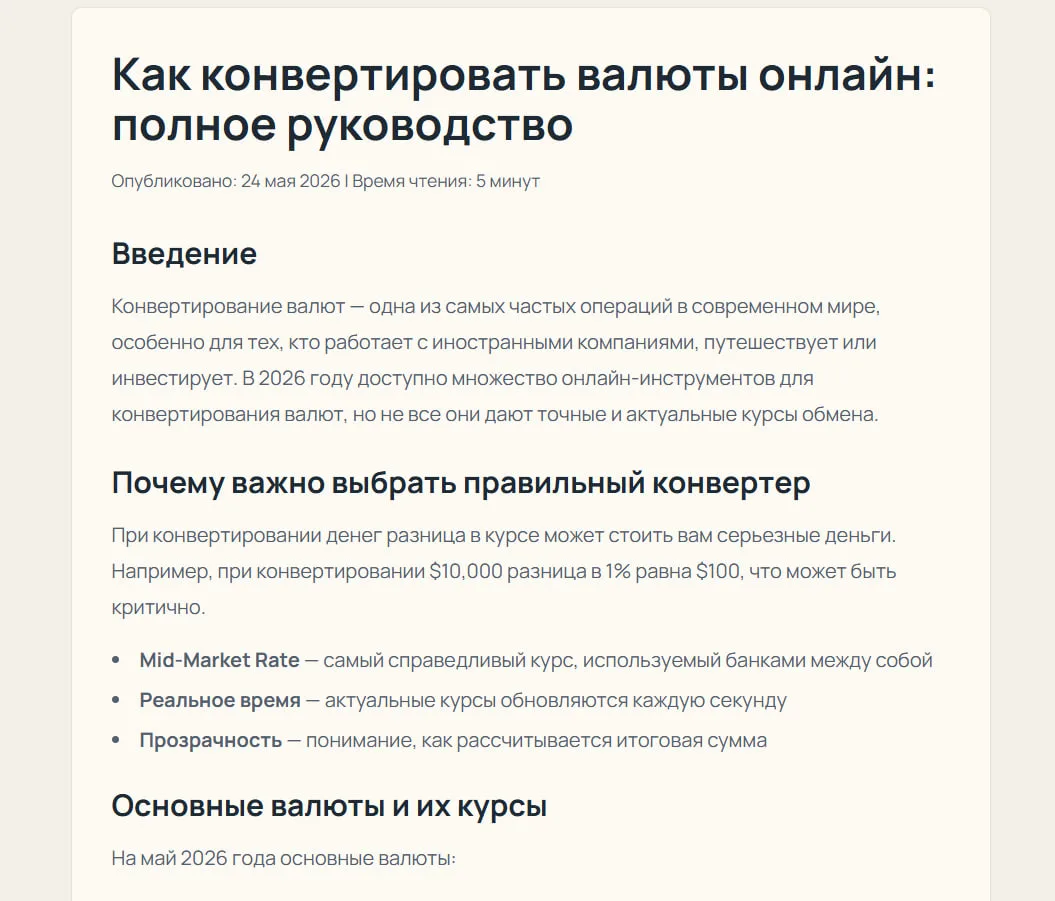
Flex Convert: a currency and unit converter built as a standalone product
A standalone web converter spanning 10 quantity categories — currency with daily rates and a configurable currency list, plus pressure, temperature, length, weight, area, volume, speed, time, and energy — with its own calculator and SEO guides.
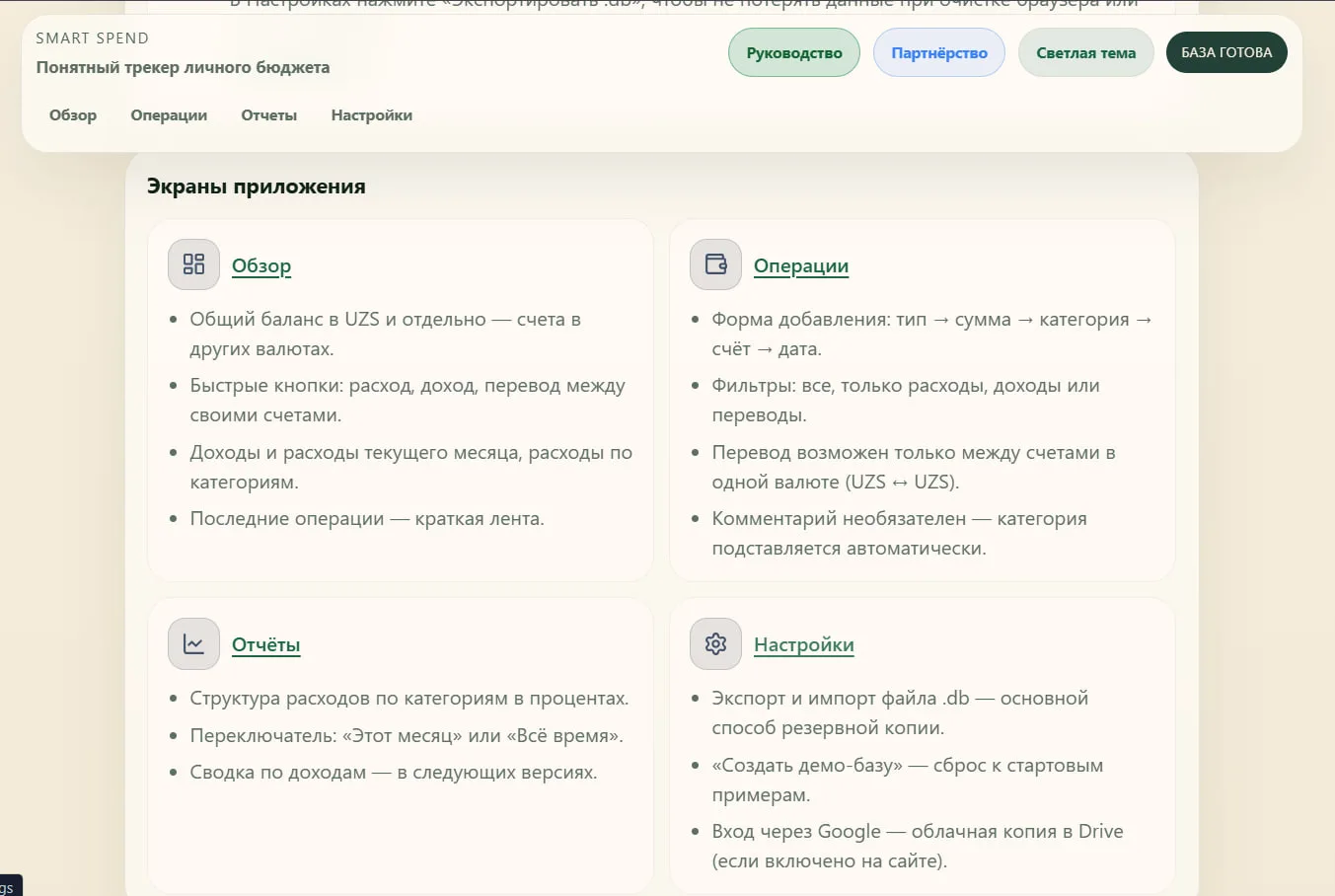
Smart Spend: a private personal budget tracker with no server
A mobile-first personal budget tracker that keeps data locally in the browser: multi-currency accounts, icon-tagged categories, monthly reports, and optional sync through the user's own Google Drive — no mandatory signup and no third-party server.