
Chimera Bastion: a browser strategy game with creature fusion
A game inspired by old mobile strategy titles: a lab for fusing animals, three auto-battle lanes and a campaign with bosses.
Problem
Browser games in this genre usually go one of two ways: they copy existing assets and mechanics from well-known mobile creature-fusion strategy games, or they stop at a simple MVP — one mechanic with no progression, upgrades, or reason to come back.
The harder problem is the fusion itself: if the synthesis result doesn't clearly depend on which two creatures are picked, the player quickly stops reading the system and just clicks the button at random.
The lab: fusing creatures and genome compatibility
On the "Laboratory" page, the player clicks a creature in the archive — clicks fill "Genome A" and "Genome B" slots in turn (some campaign stages allow 2 to 4 slots). As verified, the archive holds 17 creatures — wolf, eagle, turtle, serpent, ram, panther, fox, boar, crocodile, owl, scorpion, mantis, rhino, stag, and three dragons — filterable by body type: 2 limbs, 4 limbs, 6 limbs, legless, dragons.
The "Synthesize" button fuses the chosen pair into a chimera and shows a genome compatibility percentage, combat stats (ATK, DEF, SPD, RNG, HP), a deploy cost, a cooldown, and passive tags inherited from the parents, plus a plain-text readout of what worked in the mutation and what might backfire (e.g. "conflicting traits: ferocity + focus"). Don't like the result — resynthesize the same pair, or save a good one to the deck.
The battlefield: three lanes, energy, and the rift
On the "Battlefield" page, the player picks a chimera card from the deck and clicks one of three horizontal lanes — top, center, or bottom — to deploy the creature into that lane. Deploying costs energy (each card has its own cost and cooldown), and energy regenerates over time, with the HUD showing the exact regen rate per second.
Bastion health and rift integrity are the two health bars on screen: waves of creatures attack the bastion, and the goal is to survive the stage's set number of waves and break the rift. Progress autosaves, and a separate "Journal" page keeps a running log of the last eight events — synthesis, waves, stage outcomes — without the visual noise of the card deck and battlefield.
Campaign and bastion upgrades
The campaign is split into five stages (a "1/5" counter on every page), each with its own name and text objective — the first stage, "Misty Edge", asks the player to survive two tutorial waves without losing energy tempo.
Essence earned from synthesis and waves funds archive upgrades — "Reinforce Bastion" (+35 to stage max health plus partial heal) and "Overclock Reactor" (+10 reserve energy and +0.35 regen per second) — as well as unlocking new archive creatures through research, until the hidden list runs out.
Result
As verified, the product runs as a full campaign across four linked pages (Overview, Laboratory, Battlefield, Journal), with browser-side autosave and procedural sound built with no external audio files at all — down to a "Sound: on/off" toggle and a full progress-reset button.
The game runs on its own domain (chimera-bastion.ecomdev.uz), with logic entirely rewritten in TypeScript using open-license SVG assets — the fusion and battle systems are built from scratch, not assembled on top of copied mechanics.
Other cases
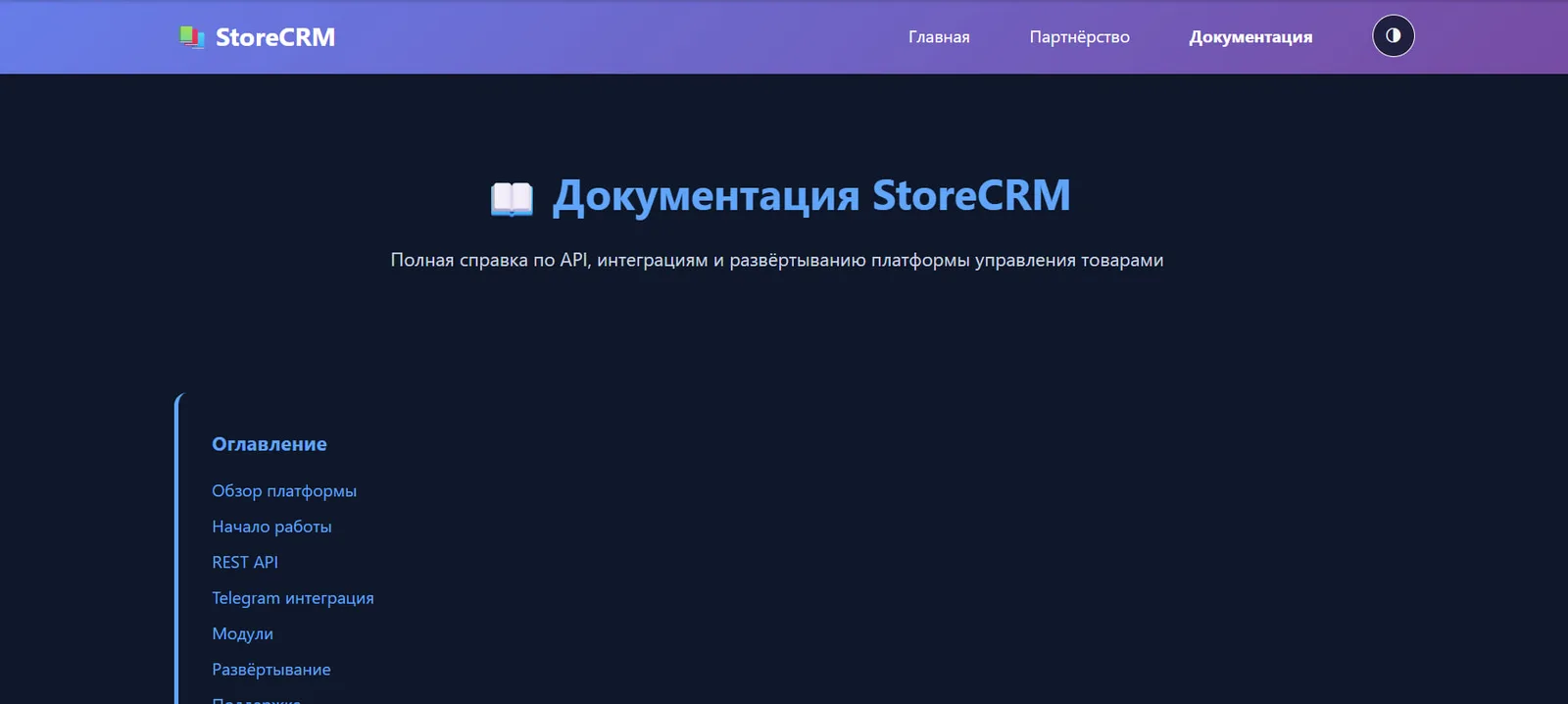
StoreCRM: a Telegram-first platform for product and stock accounting
A Telegram bot, REST API and web admin panel all run on one data core: products, stock across warehouses and stores, and movement between locations and counterparties stay consistent across every channel.
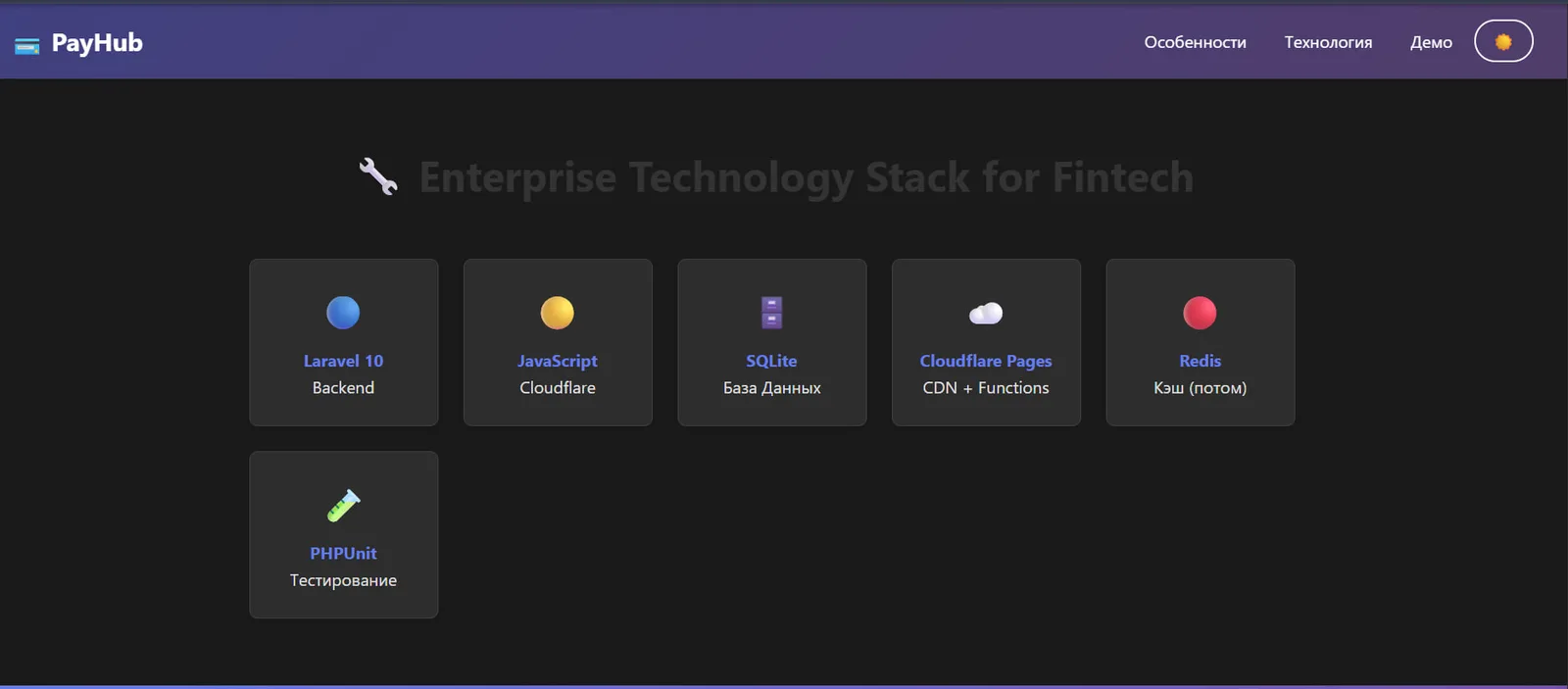
Pay Hub: payment events and notification control
Resilient event handling for payments and notifications cuts manual checks and clarifies failure response.
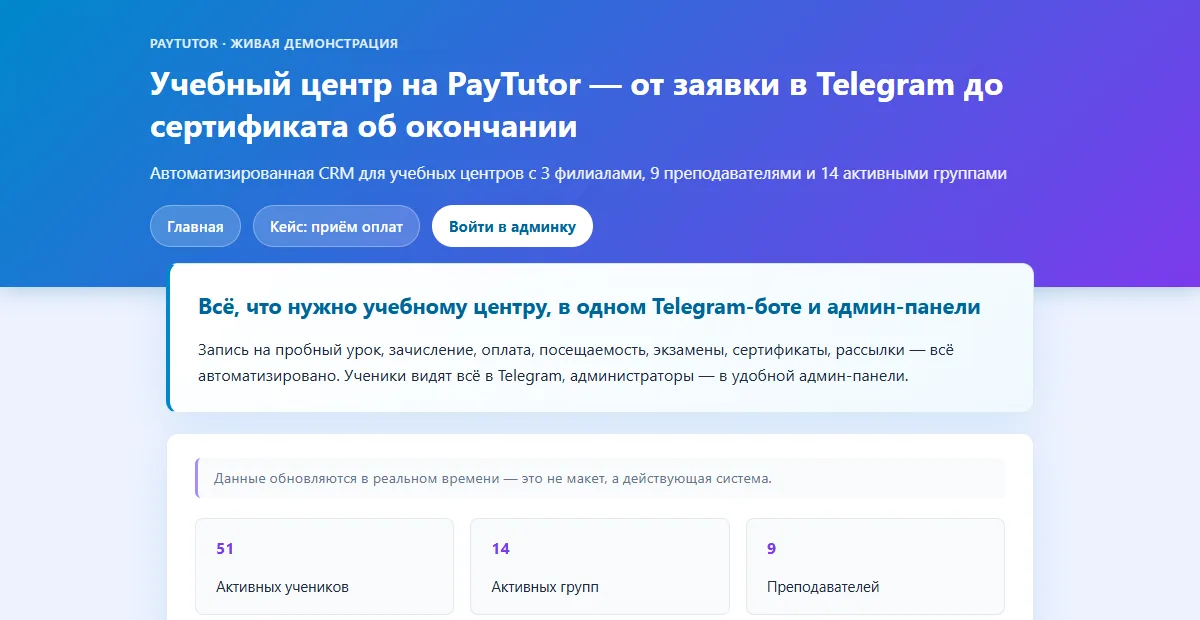
PayTutor: a tutoring-center CRM from request to certificate
A Telegram bot for students and an admin panel for the center: enrollment, payment, attendance, exams and certificates in one system.
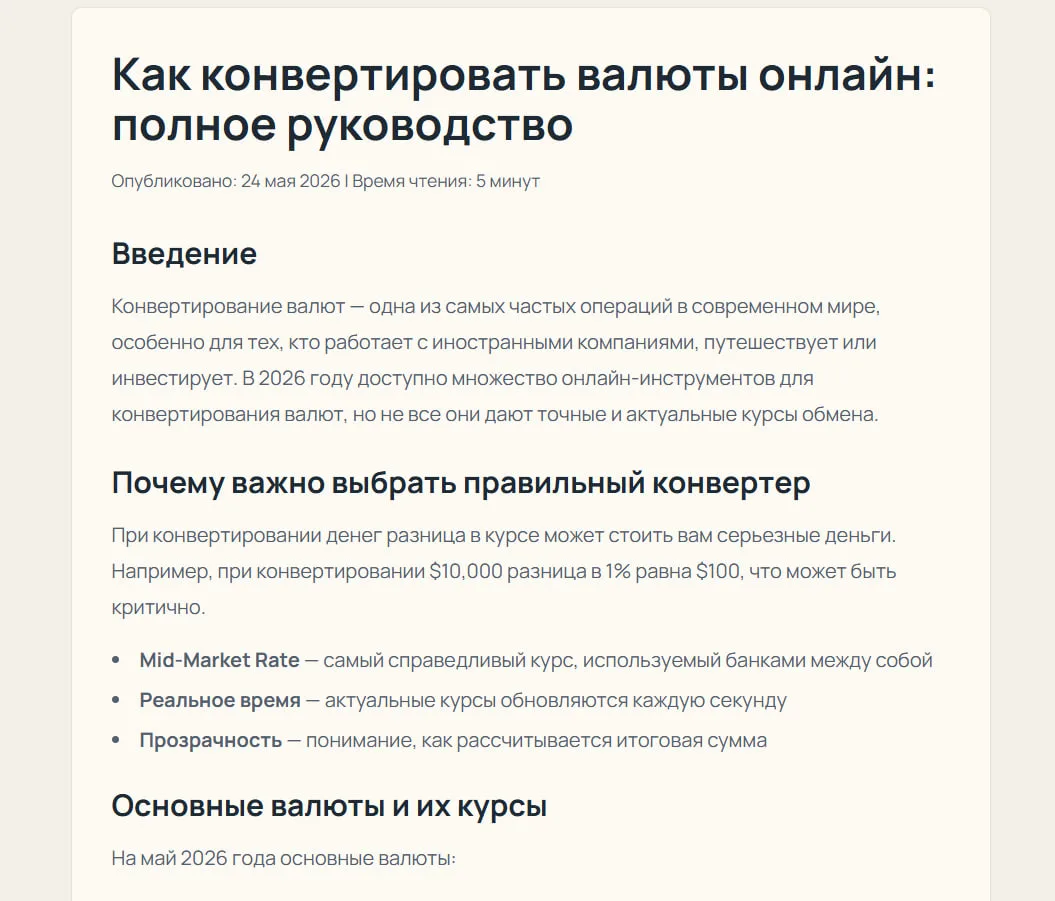
Flex Convert: a currency and unit converter built as a standalone product
A standalone web converter spanning 10 quantity categories — currency with daily rates and a configurable currency list, plus pressure, temperature, length, weight, area, volume, speed, time, and energy — with its own calculator and SEO guides.