
Why is the cashier refusing to sell your water?
The seller holds a bottle of water up to the scanner, but the cash register won’t process it. The product is genuine, the expiration date is fine, and the customer has already taken out their money. But the system says “no.”
Most likely, the issue is with the labeling. It’s a state traceability system called Asl Belgisi: each item has its own unique code, and the store is required to inform the system about what happens to that code. If it doesn’t report, the system still considers the item to be in the supplier’s warehouse, and it can’t be sold.
What is Asl Belgisi and why does it exist?
Asl Belgisi is a national mandatory digital labeling system. Its operator is CRPT TURON LLC. The system's purpose is to remove counterfeit products from circulation and enable tracking of the product's journey from manufacturer to store shelf.
Technically, this is a Data Matrix code—a small square of dots on the packaging. It is not the same as a barcode: the barcode is identical for the entire batch, while the marking code is unique to each individual unit of the product.
The customer can scan this code using the Asl Belgisi app to view the product’s origin, date of manufacture, expiration date, and certificates. For the customer, it is a verification; for the store, it is an obligation.

Which products are subject to labeling?
The list is approved separately and is **constantly expanding**—this is a key feature that makes it impossible to understand once and then forget.
Implementation proceeded in stages: first tobacco and alcohol, then pharmaceuticals, medical devices, beverages, and other categories. Currently, products under labeling include water, alcohol, pharmaceuticals, and household appliances.
In July 2026, the introduction of mandatory digital labeling for jewelry was discussed. In other words, the list continues to grow, and each addition brings a new deadline to prepare for.
- Check your assortment against the current list, not against what you remember from last year.
- Subscribe to updates from the operator and business media—new groups are announced in advance, but not sent individually.
- If you’re introducing a new product category, check its status before purchasing, not after.

What is a store obligated to do?
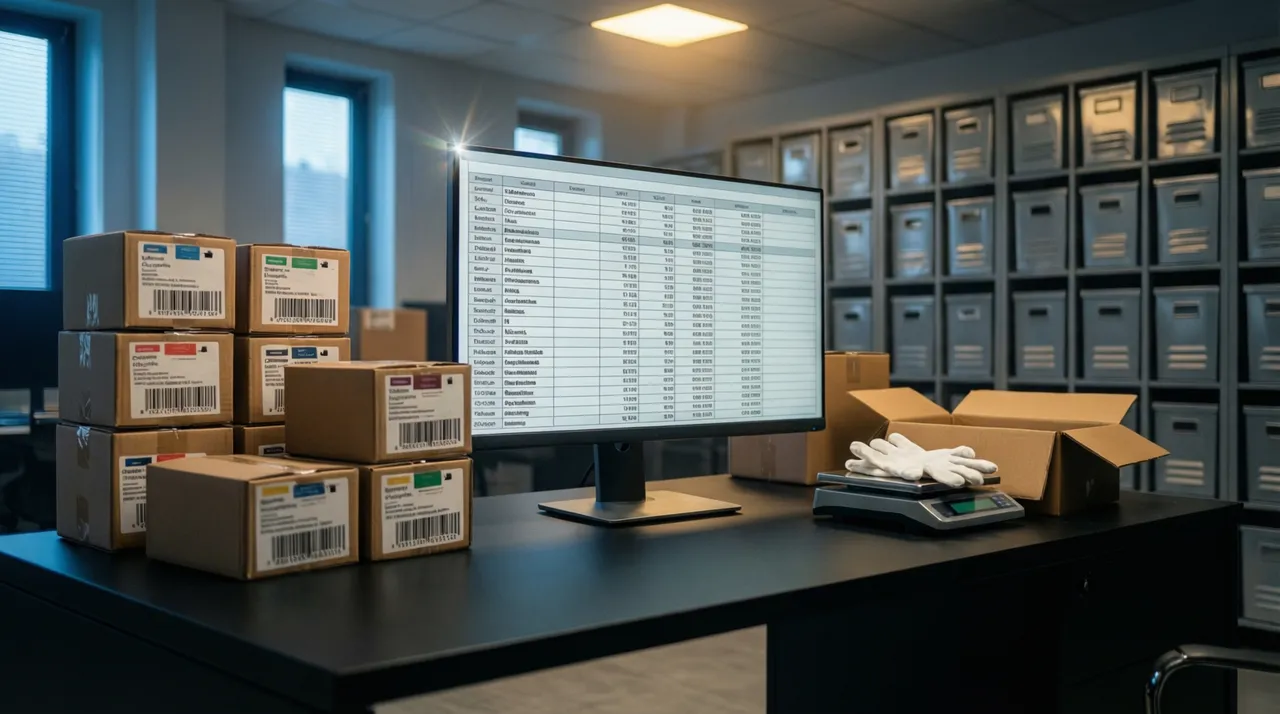
It is not enough that the code is printed on the packaging. The store must record transactions involving marked goods in the system—both receipt and removal upon sale.
For example, starting from March 1, 2025, retail stores are required to record all transactions involving marked water, including disposals, in Asl Belgisi.
This is exactly where the situation from the beginning of the article comes from. If the store hasn’t recorded the receipt, the system assumes that it doesn’t have this item in stock. It won’t allow you to sell what isn’t there—the cash register will refuse the transaction.
Store checklist
All of this is checked by the owner without a programmer—and you should also ask the contractor about it if someone else is handling the accounting.
- There is a scanner that reads Data Matrix codes, not just linear barcodes.
- Acceptance of marked goods is recorded in the system on the day of receipt, not “when there’s time.”
- The accounting software can work with labeling codes, not just with the product catalog.
- Sellers know what to do if the code cannot be read or the item is not in the system, and they know who to turn to.
- The assortment has been verified against the current list of marked goods.
- There is a person responsible for labeling—not just “accounting in general.”
Where does this integrate with your accounting system?
Labeling is not a separate process that exists on its own. It is integrated into the same system where you already have your cash register, product catalog, and inventory.
If inventory is tracked in a notebook or spreadsheet, labeling becomes manual work that doesn’t scale well: each item must be scanned and recorded. With two or three items, this is manageable; with an entire shelf, it isn’t.
The practical solution is the same as with product codes: ensure that labeled products cannot be accepted outside the system, and once a week review the discrepancy report between what’s recorded in Asl Belgisi and what’s on the shelf. It’s tedious, but that’s precisely why it works.
Frequently asked questions
What is Asl Belgisi in simple terms?
This is the national mandatory digital product labeling system in Uzbekistan, operated by CRPT TURON LLC. A unique Data Matrix code is applied to the packaging, allowing you to track the product's journey from the manufacturer to the shelf and verify its origin, production date, expiration date, and certificates.
Which goods are subject to mandatory labeling?
The list is approved separately and is constantly being expanded. Implementation proceeded in stages: first tobacco and alcohol, then pharmaceuticals, medical devices, beverages, and other categories; currently, products under labeling include water, alcohol, pharmaceuticals, and household appliances. In July 2026, the extension of labeling to jewelry was discussed.
Why won’t the cash register let me sell a marked item?
Most often, this is because the store has not recorded the receipt of this item in the system. For Asl Belgisi, it is then not registered in the store, and the cash register will not allow selling something that does not exist in the system. The store is required to record transactions involving marked goods—both receipts and disposals upon sale.
How does a marking code differ from a regular barcode?
The barcode is the same for the entire batch and answers the question "what is this product?" The Data Matrix marking code is unique to each individual unit and answers the question "which specific unit is it?"—that's why traceability is possible using it.